
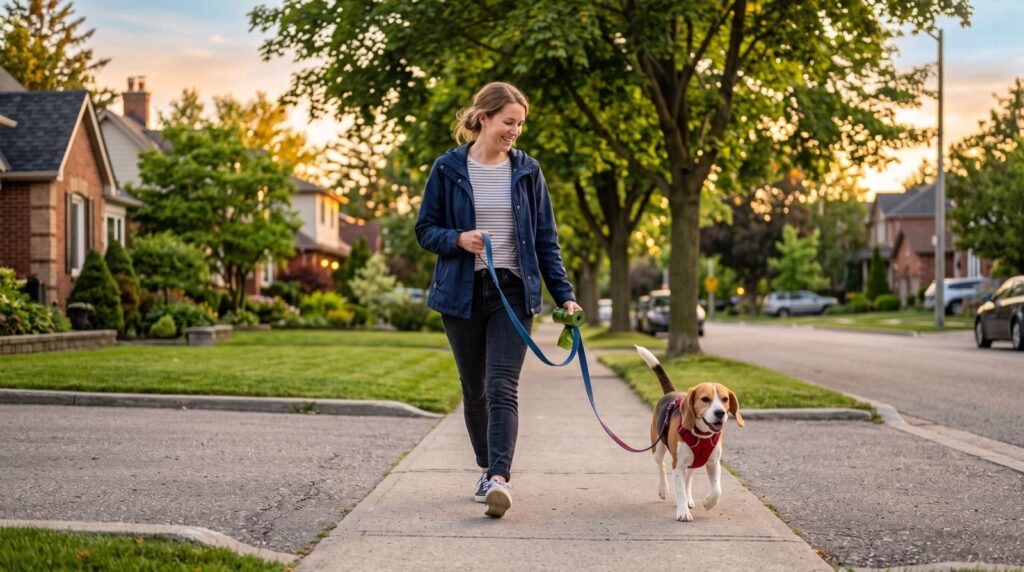
Most dog owners treat a forgotten pile in the corner of the yard as a cosmetic annoyance, something to deal with eventually. The truth is less comfortable. Dog waste is a genuine health hazard, and understanding why it is dangerous, not just gross, changes how seriously you take cleanup. In 2026, with more households owning dogs than ever, the case for prompt, hygienic waste removal has never been stronger.
This article breaks down the actual risks hiding in that pile, who is most vulnerable, and the practical tools and habits that keep your family and your neighborhood safe.
Why is dog waste a health hazard?
A single gram of dog feces can contain millions of bacteria along with parasite eggs. When waste sits on grass or pavement, it does not simply vanish. Rain, foot traffic, and paws spread those organisms across the surfaces where children play and where the dog itself walks.
The most common culprits are roundworms, hookworms, whipworms, and protozoa like Giardia. Some of these can survive in soil for months or even years, which means a yard left uncleaned becomes a slow-release reservoir of contamination long after the visible mess is gone.
Who is most at risk
Not everyone faces the same exposure. A few groups deserve extra caution.
- Young children who crawl, play in grass, and put hands in their mouths.
- Immunocompromised adults whose bodies fight infection less effectively.
- Other pets that sniff, lick, or step through contaminated ground.
- Gardeners who dig in soil where waste has broken down.
- Barefoot walkers since hookworm larvae can penetrate skin directly.
The environmental side of the problem
Beyond direct human contact, uncollected waste pollutes water. When it rains, feces on lawns and sidewalks washes into storm drains and then into creeks, rivers, and lakes. It is not fertilizer. It carries nitrogen, phosphorus, and pathogens that harm aquatic life and degrade drinking-water sources.
The EPA guidance on pet waste and water quality is clear that pet waste is a recognized source of water pollution, which is why so many communities now treat it as a stormwater issue rather than a private matter.
How prompt cleanup reduces the risk
Time is the key variable. Fresh waste is easier to remove completely, and the sooner it is gone, the less chance parasite eggs have to mature into their infectious stage. Cleaning daily, rather than weekly, dramatically shrinks the window of danger.
The trick is making cleanup so easy that you actually do it every day. A stand-up tool that lets you scoop without touching anything removes the friction. A Pooper Scooper with Bag lets you lift the mess and seal it in one motion, keeping the material contained from ground to garbage.
Comparing disposal approaches by safety
How you dispose of the waste matters as much as picking it up. Here is a quick risk comparison.
| Disposal method | Contamination risk | Notes |
|---|---|---|
| Bagged and binned | Low | Sealed bag keeps pathogens contained |
| Left on lawn | High | Spreads via rain, paws, and shoes |
| Buried in garden | Moderate to high | Contaminates soil and nearby edibles |
| Flushed (where allowed) | Low | Treated by sewage system, no bag waste |
Building a safe cleanup habit
A reliable routine turns risk reduction into second nature. Follow these steps.
- Scoop the yard once daily, ideally in the morning when waste is fresh.
- Seal each pickup in a sturdy bag that will not tear or leak.
- Dispose of sealed bags in a covered outdoor bin, not a compost pile.
- Wash your hands after handling any tools, even if you never touched the waste.
- Deworm your dog on your vet’s schedule to reduce the source at the start.
For heavy loads, choose heavy Dog duty Bags that resist punctures, because a bag that splits mid-carry defeats the entire point of containment. If a full property reset feels overwhelming, some owners bring in reliable local experts for an initial deep clean and then maintain it themselves.
Common mistakes that keep a yard risky
Even conscientious owners slip into habits that quietly undermine their cleanup efforts. Recognizing these mistakes is half the battle.
The most common is the “weekend catch-up” approach, letting waste pile up during the week and clearing it all on Saturday. By then, parasite eggs have had days to mature and rain has already spread bacteria across the lawn. Another frequent error is using a compost pile as a shortcut, which simply relocates the contamination into soil you may later touch or grow food in.
People also underestimate how far pathogens travel. A pile in the far corner of the yard does not stay in that corner. Paws, shoes, mowers, and runoff carry it everywhere. Treating the whole yard as the contamination zone, not just the visible spot, is the mindset that actually protects your household over time.
Frequently Asked Questions
Can dog poop really make people sick?
Yes. Dog waste can carry roundworm, hookworm, whipworm, and Giardia, all of which can infect humans through contact with contaminated soil, hands, or surfaces. Children are especially vulnerable.
How long do parasites survive in a dirty yard?
Some parasite eggs, particularly roundworm, can persist in soil for months and even years. This is why a yard that is only cleaned occasionally stays a hazard long after the visible waste is removed.
Is it safe to compost dog waste with my vegetables?
No. Home compost rarely reaches the sustained high temperatures needed to kill dog-waste pathogens, so it can contaminate soil and any edibles grown in it. Bag and bin it instead.
Does bagging waste actually reduce the health risk?
Sealing waste in a sturdy bag and placing it in a covered bin contains the bacteria and parasites, stopping them from spreading through rain, paws, and shoes. It is the safest everyday method.
Final thoughts
Treating dog waste as a health hazard, not just an eyesore, is the mindset shift that protects your family, your pets, and your local waterways. Clean daily, seal every pickup in a strong bag, and dispose of it properly. With the right stand-up tool and a firm bag, the safe choice becomes the easy choice, and that is what keeps it happening day after day.